Ideas, insights, and resources
Our portal of insights and resources is full of useful tips, videos, and links to resources that we think you’ll find useful in your pursuit of excellent research communication.
Worth a read: Am I Making Myself Clear?
Looking for something good to read that will help you build your science communication skills? Today’s recommendation is a thoughtful guide to clear communication from a journalist’s point of view. Cornelia Dean helps scientists understand how to reach policy makers, journalists, and the public, especially when the audience has no specialist background.

Worth a read: Escape from the Ivory Tower
Looking for something good to read that will help you build your science communication skills? Today’s recommendation is all about media engagement, this book helps scientists navigate interviews, messaging, and public communication, especially when visibility matters but pressure is high.
Worth a read: If I Understood You, Would I Have This Look on My Face?
Looking for something good to read that will help you build your science communication skills? Today, we have a funny and human guide to communication from actor and science advocate Alan Alda. Drawing on improv, empathy, and theatre, he explores how we build connection, especially in technical conversations.

Worth a read: Connection (Hollywood Storytelling Meets Critical Thinking)
Welcome to the second day of 2026! We thought we’d start this year’s selection of SciComm Matters material with Michael Alley’s practical guide for scientists who want to improve the clarity and impact of their talks.

Worth a read: The Craft of Scientific Presentations
Welcome to the second day of 2026! We thought we’d start this year’s selection of SciComm Matters material with Michael Alley’s practical guide for scientists who want to improve the clarity and impact of their talks.

Worth a read: Stand Out With Your Scientific Poster
Looking for a good read to build your science communication and research communication skills? Today, we have a guide for you reframes science communication as relationship work. Kearns offers tools for navigating emotion, conflict, power, and trauma, especially in high-stakes or deeply personal contexts.

We’ve been nominated for the “Best Science Communication Training Company, Europe” award
We were nominated and now we’ve been awarded the “Best Science Communication Training Company 2025” award. Whoo hoo!

Worth a read: The Visual Display of Quantitative Information
Looking for a good read to build your science communication and research communication skills? Today, we have a foundational read on data visualisation for you that remains relevant decades after publication. Tufte breaks down what makes graphics effective, and what makes them misleading, using 250+ examples from real-world data.

Worth a read: Why Humour Boosts Science Communication
Looking for a good read to build your science communication and research communication skills? This month, we think you should take a look at “Why Humour Boosts Science Communication” (Lucy Avraamidou, Sibel Erduran).

Worth a read: Metaphors and Analogies in Sciences and Humanities
A dense but fascinating read on how we use metaphor to think, frame, and explain complex ideas in science and beyond.

SciComm Success now offers loads of “bite-sized” communication training options for researchers and scientists
You asked for shorter science communication & communication skills workshops. Wish granted!

Blogging for science and research communication: what, why, and a quick-‘n-easy way to try it out
You’ve certainly read blog posts online. Could blogging be a way for you to share your research and engage with diverse audiences?
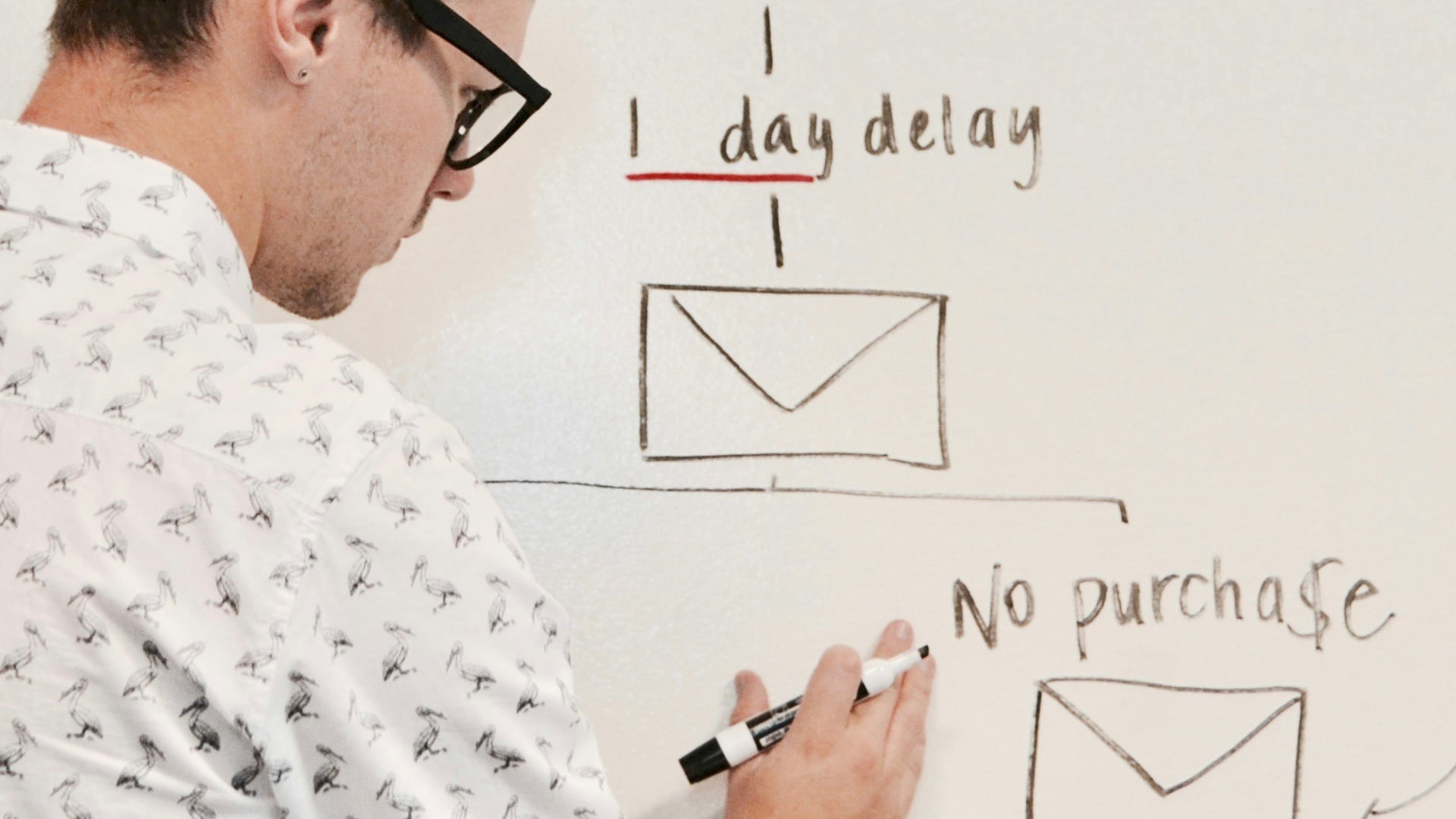
Resource: Chalk Talk Inspiration & Examples for Faculty Interviews
Chalk Talks are a key component of faculty interviews and other informal presentations. But what does a Chalk Talk look like? We’ve curated some examples for you.

SciComm Success nominated for award for “Excellence in Furthering Science Communication”
SciComm Success nominated for an award by the European Enterprise Awards in the category of “Excellence in Furthering Science Communication 2024.”
![Instagram for Researchers: A Breakdown of Content Types and How to Use Them to Share Your Work [2024]](https://test.scicommsuccess.eu/wp-content/uploads/2024-instagram-post-types.jpg)
Instagram for Researchers: A Breakdown of Content Types and How to Use Them to Share Your Work [2024]
A list of the main types of posts that researchers and scientists can use on Instagram to share their work. Expect a short description, an example, a pro tip, and a few “good to know” goodies for each.

How to Create a Simple Social Media Strategy to Share Your Research, Results, and More
Four steps to help you think more strategically about social media, raise your profile and build your community.

Managing Your Research Group’s Online Presence: 10 Ways
Lucky you: you’ve been asked to create or maintain your research group’s online presence. But what does that mean and how can you do it?

How To WOW When Presenting Online: 12 Practical Tips For Researchers And Scientists
Struggling with the shift from in-person to virtual presenting? Struggle no more: we have twelve fantastic, practical tips for you that you can start using right now to make your online science and research presentations a success.

How to write an eye-catching title for your scientific poster that will attract visitors
Poster sessions are a great way to learn about new and innovative research at a glance. They’re also a great way for scientists and researchers to share their perspective on their work. The thing is that poster sessions usually involve many, many posters. With that in mind, how can you design your poster in a way that grabs attention and attracts visitors?

Navigating Media Interviews as a Scientist or Researcher
Being able to plan for and participate in a media interview is great for you and great for your research. This thing is that there are all these nightmare stories about how facts are misrepresented, which neither you nor journalists want. Let’s explore how to avoid this, and make your next media interview successful and accurate.
Recommended resources
Book of the month

We love this because it’s a great resource for scientists and researchers who want to learn how to tell stories with data, not simply throw a few graphs at people and expect them to work it out for themselves!
Podcast of the month

We love this because funding is crucial for researchers. Prof. Roger Barker gives an honest account of his experience and his current perspective, facilitated expertly by the insightful Dr. Sandrine Soubes.
Resource of the month

We love this because being able to frame conversations in a way that makes them meaningful for the people we want to reach is an essential skill that can be learned and fine-tuned over time.
What else might be useful to you today?
Expert talks & skills training
Bite-sized sessions or deep dives to strengthen communication skills quickly and effectively.
Retreats & offsite programmes
Bite-sized sessions or deep dives to strengthen communication skills quickly and effectively.
Strategic workshops for teams & leaders
Facilitated planning and strategy workshops for communication teams and science communicators.